Smart Manufacturing
Why Fiber Laser Welding Is Replacing MIG in Modern Factories
The global manufacturing industry is undergoing a major shift as companies adopt advanced technologies to improve productivity, reduce operational costs, and maintain consistent product quality. One of the most impactful changes in metal fabrication is the transition from traditional MIG welding to fiber laser welding systems. While MIG welding has been widely used for decades due to its simplicity and reliability, it is increasingly being replaced by laser welding in modern factories. Manufacturers today require faster production speeds, higher precision, and reduced post-processing — all of which fiber laser welding delivers more effectively.
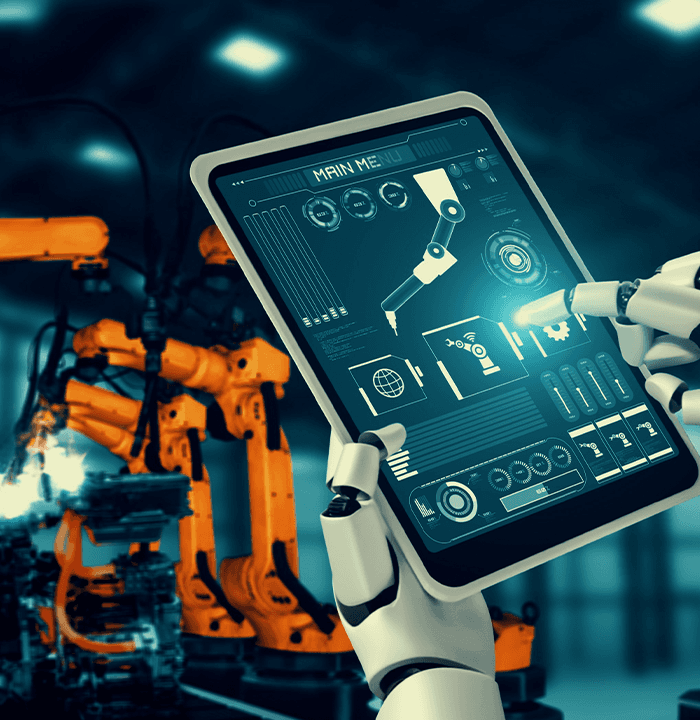
Manufacturing efficiency is no longer defined by output alone. It is driven by precision, repeatability, and the ability to maintain consistent quality across every unit produced. Fiber laser welding introduces a new level of control in the welding process, allowing manufacturers to achieve cleaner joints, reduced heat impact, and improved structural integrity.
Faster production cycles
Cleaner weld seams with minimal spatter
Reduced heat distortion on materials
Lower dependency on manual skill
Improved consistency across batches
Machines equipped with fiber laser technology operate with remarkable precision, delivering energy exactly where it is needed without affecting surrounding material. This level of control reduces errors and ensures that each weld meets strict quality standards. As a result, manufacturers spend less time on corrections and more time on production.
Production floors are evolving into highly efficient environments where technology and human expertise work together. Operators no longer need to compensate for inconsistencies in the welding process, as the system itself ensures accuracy and repeatability. This shift allows teams to focus on optimizing workflows, improving designs, and increasing output.
Data and precision now guide every weld, replacing guesswork with control. The process becomes faster, cleaner, and more predictable, enabling manufacturers to meet tight deadlines without compromising on quality. With reduced waste and improved efficiency, fiber laser welding supports both operational performance and long-term sustainability.
"True efficiency in manufacturing is not achieved through speed alone, but through precision, consistency, and intelligent use of technology. Fiber laser welding represents this balance, where advanced systems and human expertise work together to deliver superior results."
As industries continue to modernize, fiber laser welding is becoming the standard for high-performance manufacturing. It enables businesses to reduce costs, improve quality, and scale production with confidence. The transition from MIG to laser welding is not just a technological upgrade, it is a strategic move toward smarter and more efficient manufacturing.
Insights & Article